Drying Systems Australia not only provide customised drying system design, temporary equipment supply, installation and monitoring for structural drying of flood affected and water damaged buildings, we also provide the same services for construction drying for buildings and associated building materials during the construction stage, temporary temperature and humidity control for industrial abrasive blasting and painting projects of steel structures, pipelines, fuel and water storage tanks, bridges, marine infrastructure including ships and other sea vessels, oil refineries, steel vessels, defence force aviation, sea bound and land based equipment. Service, rental, sales and installation of humidity control systems for storage facilities, laboratories, art galleries and museums, auditoriums, libraries, repositories, archives and document storage facilities, indoor heated pools, ice skating rinks, food and pharmaceutical processes, and many other applications where control of sensitive temperature and humidity environments are required.
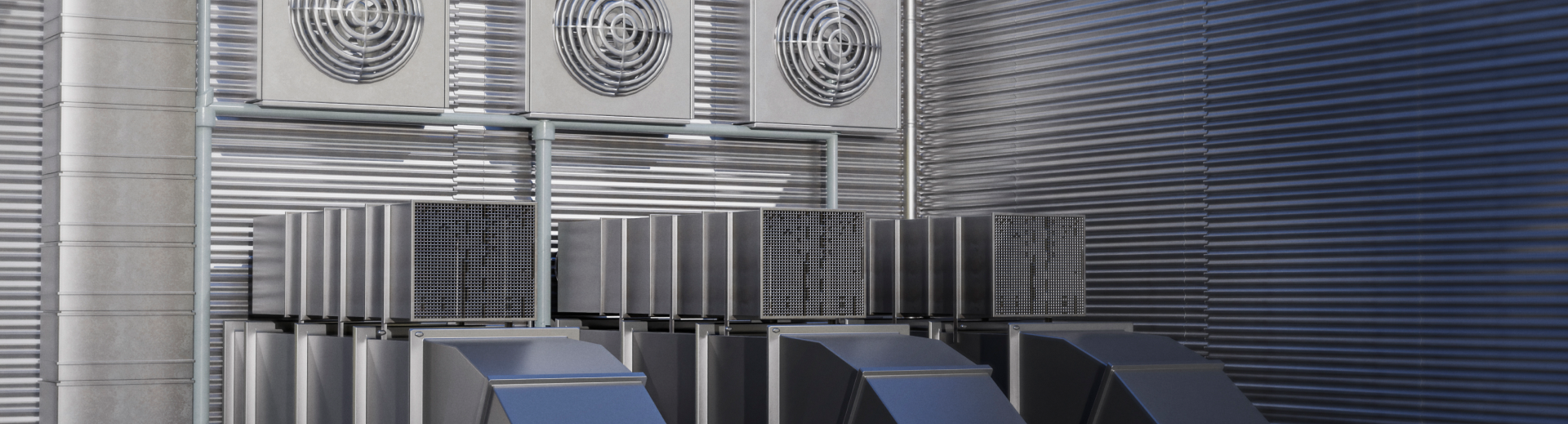
Drying Systems Australia has a large rental fleet of portable commercial and industrial refrigerant and desiccant dehumidifiers and associated drying, heating & cooling equipment for use in temporary applications, ranging in capacities from small portable single phase 240 volt units to medium and large three phase 415 volt caster wheel based and skid based trailer mounted units.
Heating or cooling can also be included to provide total temporary climate control within an encapsulation of structural steel or steel vessel internals to not only control thr dew point temperure but also the steel substrate temperature to ensure the coating systems climatic temperature & humidity parameters are maintained throughout the project. These applications include steel pipelines, steel water and fuel storage tanks, ship hulls and any other steel structure either under new construction or during maintenance outages and repairs / restoration projects. The maintaining of dew point differential between the substrate temperature and the air at the surface is an industry requirement generally with a minimum 3 degree C dew point split which maintains the air dew point temperature at the steel surface 3 degrees lower than the steel or substrate temperature to ensure condensation cannot form on the surface.